If you have noticed uneven tire wear, extra road noise, or you simply cannot remember the last time your tires were rotated, you are not alone. Many drivers know tire rotation matters, but they are not always sure how often to rotate tires or whether it is really necessary.
Most drivers should rotate their tires about every 5,000 to 7,500 miles, but the best interval depends on the vehicle, tire type, driving habits, and manufacturer recommendations. That is the general tire rotation interval many drivers follow, but your owner’s manual is still the best place to confirm the right tire rotation schedule for your vehicle.
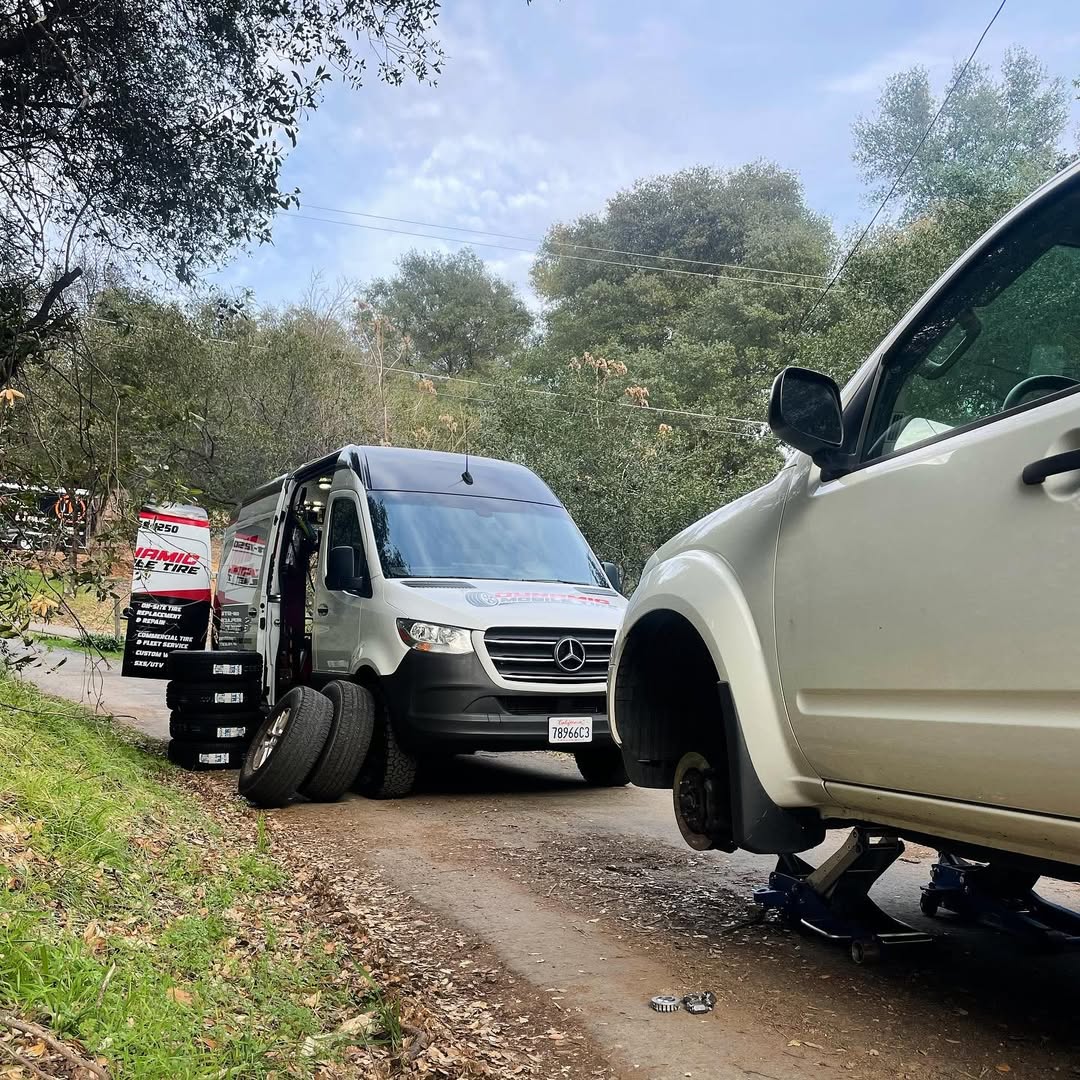
At Dynamic Mobile Tire, we help drivers with tire rotation service, balancing, flat tire repair, and other mobile tire maintenance needs in Sacramento and surrounding areas. If you are wondering how often you should rotate your tires, this guide will help you understand what to watch for and why regular rotation matters.
How Often to Rotate Tires
Most drivers should rotate their tires every 5,000 to 7,500 miles. This is a common guideline, but not every vehicle follows the exact same schedule.
Front-wheel-drive, rear-wheel-drive, all-wheel-drive, tire type, and everyday driving conditions can all affect when to rotate tires. If you drive a pickup, work van, or another vehicle that carries extra weight, your tires may wear differently than those on a typical commuter car.
The smartest approach is simple: follow your manufacturer’s recommendation, but also pay attention to how your tires are wearing.
What Is a Tire Rotation?
A tire rotation means moving the tires from one position on the vehicle to another so they wear more evenly.
That may sound simple, but it is an important part of routine tire maintenance. Tires do not always wear at the same rate. Some positions on the vehicle handle more steering, more braking force, or more weight than others.
By changing tire position on a regular basis, rotation helps spread wear more evenly across the full set. The goal is not just maintenance for its own sake. The goal is better wear balance, smoother driving, and better overall tire performance.
Why Is Tire Rotation Important?
Tire rotation is important because it helps reduce uneven tire wear and supports better long-term tire performance.
Without rotation, one pair of tires may wear down faster than the others. Over time, that can lead to a rougher ride, less predictable handling, and earlier replacement.
Regular rotation also gives you a chance to spot potential issues sooner. If a tire is wearing unevenly, losing tread faster than expected, or showing signs of a pressure or suspension-related issue, you are more likely to catch it during routine service.
For most vehicles, tire rotation is a normal part of smart tire care.
When Should You Rotate Your Tires?
Mileage is the main guideline, but it is not the only one. A good tire rotation schedule usually starts with the 5,000 to 7,500 mile range, then adjusts based on how and where you drive.
You may need rotation sooner if your vehicle sees harder use. Frequent stop-and-go driving, rough roads, heavier loads, or long commutes can all affect tire wear patterns.
Some drivers also schedule rotation along with other regular maintenance intervals, just to make it easier to remember. The important part is staying consistent.
Signs Your Tires May Need Rotation
Sometimes mileage is not the only clue. There are also visible and feel-based signs that may tell you your tires are due for service.
Common signs include:
- Uneven tire wear between the front and rear tires
- Visible tread differences from one tire to another
- More road noise than usual
- Vibration that does not feel normal
- A rougher or less smooth ride
- Tires that seem to be wearing faster than expected
- Several thousand miles since your last rotation
- No clear memory of the last time the tires were rotated
If you notice these signs, it may be time to schedule a professional tire rotation. In some cases, the issue may also involve tire balancing, especially if vibration is part of the problem.
What Happens If You Don’t Rotate Your Tires?
If you do not rotate your tires, they may wear unevenly and need replacement sooner.
Uneven wear can shorten tire life, affect ride quality, and make the vehicle feel less consistent on the road. It may also make existing tire or alignment issues more noticeable over time.
Ignoring rotation does not always create an immediate problem, but it can slowly lead to bigger maintenance needs. If one part of the tire set wears much faster than the rest, you may end up replacing tires earlier than necessary.
Routine rotation is preventive maintenance. It helps reduce avoidable wear before it turns into a bigger issue.
Tire Rotation vs. Balancing: What Is the Difference?
Tire rotation and tire balancing are different services. Rotation changes tire position, while balancing corrects weight distribution around the wheel and tire assembly.
Drivers often confuse tire rotation vs balancing, but they do different jobs. Rotation helps manage wear patterns by moving tires to different positions. Balancing helps the tire and wheel assembly spin more evenly.
If your vehicle has vibration, uneven wear, or recently had new tires installed, you may need both tire rotation and balancing. In other cases, one service may be more important than the other. That is why a professional inspection helps.
Do New Tires Need to Be Rotated?
Yes. New tires still need regular rotation to help them wear evenly.
Even if your tires are new, they are still affected by vehicle weight, steering, braking, road conditions, and driving habits. Starting a consistent rotation schedule early can help prevent uneven wear from developing.
If you recently had new tires installed, ask when the first rotation should be scheduled. Keeping up with tire maintenance from the beginning is usually easier than correcting uneven wear later.
Can You Get a Tire Rotation at Home?
Yes. Mobile tire rotation allows drivers to get routine tire maintenance at home, work, or another convenient location.
For busy drivers, that can make maintenance much easier. Instead of fitting a shop visit into your day, a mobile tire service can come to you. That is especially helpful for families, commuters, work van drivers, and small businesses that want to avoid extra downtime.
If you are looking for tire rotation at home, mobile tire rotation, or a mobile tire rotation service, convenience is one of the main advantages. Routine maintenance is easier to keep up with when it does not require another stop in your schedule.
Why Mobile Tire Rotation Works Well in Sacramento
Sacramento drivers often balance work, commuting, school drop-offs, errands, and everything else that fills a normal week. In that kind of routine, it is easy to delay tire care longer than you should.
That is why mobile tire service can be a practical fit for drivers in Sacramento and surrounding areas, including Rancho Cordova, Folsom, Roseville, Citrus Heights, Carmichael, El Dorado Hills, and nearby communities. Service at your location can make routine tire maintenance easier to keep up with.
For work vehicles and small fleets, regular maintenance matters just as much. If you manage pickups, vans, or light commercial vehicles, fleet tire maintenance can help reduce wear-related issues across multiple vehicles.
Final Thoughts
If you are still wondering how often you should rotate your tires, the best general rule is every 5,000 to 7,500 miles, unless your vehicle or tire manufacturer recommends something different. Regular rotation helps reduce uneven wear, supports better tire life, and makes it easier to catch problems earlier.
If you are not sure when your tires were last rotated, Dynamic Mobile Tire can help. Our mobile tire rotation service brings professional tire maintenance to your location, making it easier to keep your tires wearing evenly without adding another stop to your day.
More than justtire replacement
From flat tire repair to balancing, TPMS diagnostics, and new tire installation, we bring the service to you.
Book a Service