Aftermarket wheels can change the appearance of a car, truck, or SUV. They can also support a different tire setup or give a vehicle a more personalized look. But choosing aftermarket wheels involves more than finding a style you like.
The wheels must fit the vehicle correctly, work with the right tire size, provide enough clearance, and support the correct tire pressure sensors. They also need to be mounted and balanced properly.
Before buying a new set, check wheel fitment, tire size compatibility, bolt pattern, offset, clearance, TPMS compatibility, and balancing requirements. Confirming these details first can help prevent rubbing, vibration, warning lights, and other problems after installation.
What Are Aftermarket Wheels?
Aftermarket wheels are replacement wheels made by companies other than the vehicle’s original manufacturer.
Drivers often choose them to change the appearance of a vehicle, use a different wheel size, or create a new wheel and tire setup. The term aftermarket rims is commonly used to describe the same type of product, although the wheel technically includes more than just the outer rim.
Options range from simple car wheels to aftermarket truck wheels, custom wheels, and setups designed for SUVs or work vehicles. Regardless of the style, proper fitment should come before appearance.
What Should You Check Before Buying Aftermarket Wheels?
The right aftermarket wheels should match your vehicle, tires, sensors, and installation requirements.
Before purchasing aftermarket wheels and tires, check the following:
- Wheel diameter and width
- Recommended tire size for the wheels
- Vehicle bolt pattern
- Wheel offset and backspacing
- Clearance around brakes, suspension, and body panels
- Correct lug nuts
- Whether hub-centric rings are needed
- Compatibility with TPMS sensors
- Mounting and tire balancing requirements
An online wheel fitment guide or calculator may help narrow down the options, but the information still needs to match the exact vehicle and tire setup. Small differences can affect whether the wheels fit correctly.
Why Wheel Fitment Matters
Wheel fitment means how well a wheel fits the vehicle, including its size, position, clearance, and compatibility with the tire.
Poor wheel and tire fitment can create several problems. A wheel may rub against the body or suspension, sit too far inward or outward, or affect how the vehicle steers and rides.
Proper fitment also helps ensure the tires have enough room to move as the vehicle turns, carries weight, or travels over uneven roads. This is especially important with larger custom wheels, aftermarket truck rims, and lower-profile tires.
A setup that looks right while parked may still have clearance problems during normal driving.
What Is Wheel Offset?
Wheel offset describes where the wheel sits in relation to the vehicle’s suspension and body.
The offset can make a wheel sit farther inward, farther outward, or close to its original position. An incorrect wheel offset may cause rubbing, clearance problems, or changes in how the vehicle feels.
Positive offset and negative offset describe different wheel positions, but drivers do not need to become fitment experts before buying. The important point is that the offset must be suitable for the specific vehicle.
Wheel backspacing is another measurement related to how much space the wheel takes up behind its mounting surface. Both measurements can affect clearance.
Why Tire Size Compatibility Is Important
Aftermarket wheels and tires need to work together as one complete setup. Choosing the right tire size for wheels helps protect clearance, ride comfort, and everyday performance.
A wheel may physically attach to the vehicle, but that does not automatically mean the tire size is appropriate. Poor tire and wheel compatibility may affect:
- Ride comfort
- Steering response
- Tire clearance
- Tire wear
- Speedometer readings
- Overall handling
Before arranging new tire installation, confirm that the wheel width, wheel diameter, and tire size are suitable for the vehicle. This is especially important when moving to larger wheels or lower-profile tires.
What Is a Bolt Pattern?
The bolt pattern describes the number and position of the mounting holes used to attach the wheel to the vehicle.
Two wheels may look almost identical but have different bolt patterns. A wheel with the wrong pattern will not fit correctly. Common searches such as 5×120 wheels, 5×10⁸ wheels, or 5×114.3 wheels refer to specific bolt pattern measurements.
Drivers should also check whether the new setup requires different lug nuts designed for aftermarket wheels. Some wheels use a different lug seat shape or size than the original equipment.
Certain setups may also need hub-centric rings to help the wheel sit correctly on the vehicle’s hub.
Do Aftermarket Wheels Work With TPMS Sensors?
Aftermarket wheels can work with TPMS sensors, but compatibility should be checked before installation.
Some wheels can use the existing sensors. Others may require compatible replacement sensors or additional service. A poor match can lead to a tire pressure warning light or prevent the monitoring system from reading the tires correctly.
If you are planning to use TPMS sensors with aftermarket wheels, confirm compatibility before the tires are mounted. Dynamic Mobile Tire’s TPMS service can help identify tire pressure sensor issues or warning lights connected to a new wheel and tire setup.
Do Aftermarket Wheels Need Balancing?
Yes, aftermarket wheels and tires should be balanced after mounting to help reduce vibration and improve ride comfort.
Even new custom wheels and tires can have small differences in weight distribution. Tire balancing helps the wheel and tire assembly roll more smoothly.
Without proper balancing, a driver may notice shaking, vibration at certain speeds, or a rougher ride after installation. Balancing does not fix every possible fitment or suspension issue, but it is an important part of professional wheel and tire installation.
Can Aftermarket Wheels Affect Ride Comfort?
Yes. The size, weight, tire profile, and fitment of the wheels can change how the vehicle feels.
Larger wheels paired with lower-profile tires may create a firmer ride. Heavier wheels can also affect road feel, while incorrect fitment may contribute to vibration, rubbing, or unusual tire wear.
This does not mean aftermarket wheels are a poor choice. It means the complete setup matters more than appearance alone. Well-matched wheels and tires are more likely to deliver the look you want without creating avoidable problems.
Why Professional Wheel and Tire Installation Matters
Professional installation helps confirm that the tires are mounted correctly, the assembly is balanced, and obvious clearance or TPMS concerns are addressed.
The technician can also check whether the setup uses the correct lug hardware and whether the tires hold pressure after installation. This is especially useful when buying aftermarket rims and tires online, where the driver is responsible for confirming compatibility.
Dynamic Mobile Tire can support the tire-related parts of the setup once you have selected compatible wheels and tires. Professional installation and balancing can help complete the process correctly.
Can Mobile Tire Service Help With Aftermarket Wheels and Tires?
Mobile tire service can help with tire installation, balancing, and TPMS-related concerns after the correct wheel and tire setup has been selected.
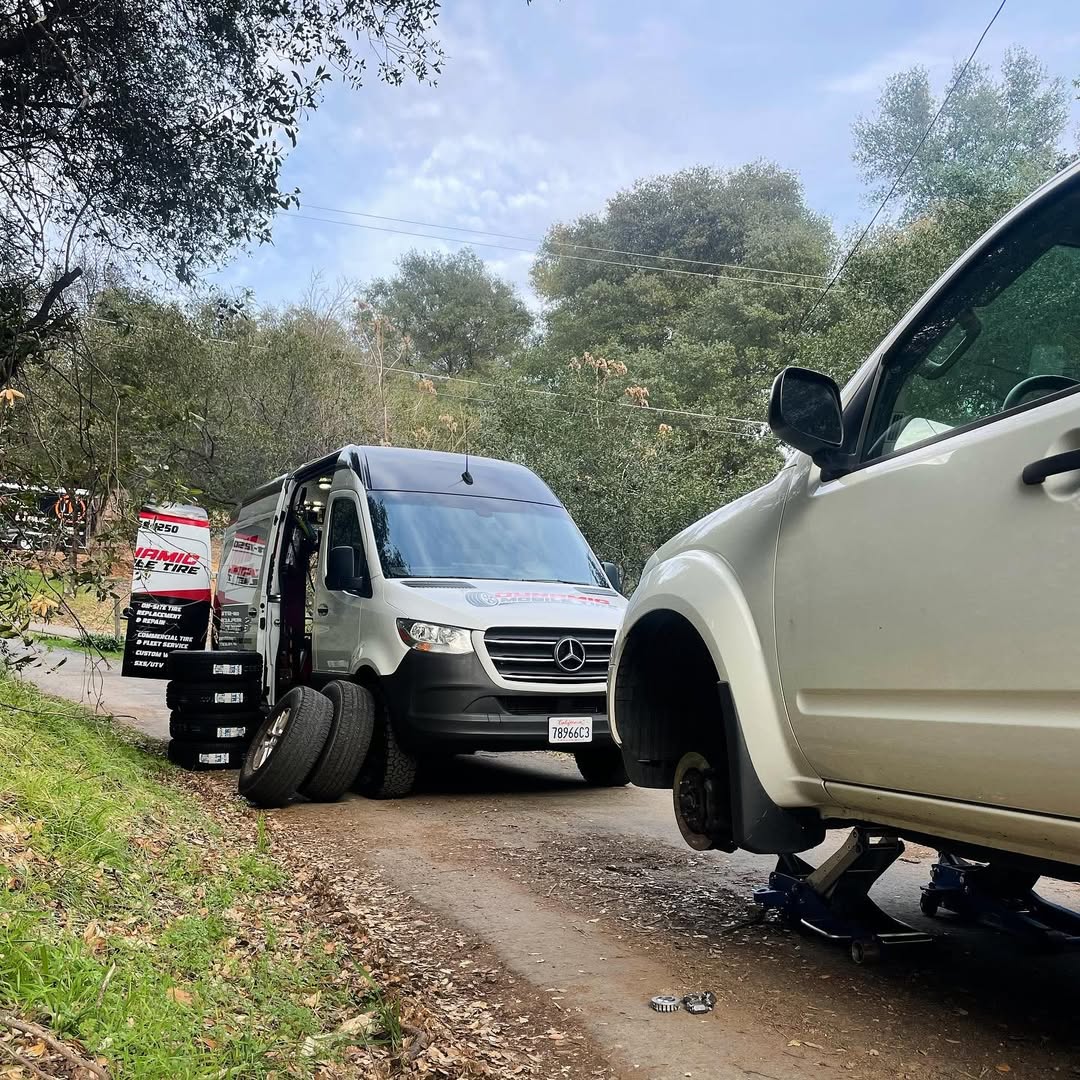
Dynamic Mobile Tire provides mobile tire installation, professional balancing, and mobile tire service at your location. This can make it easier to complete the tire-related work at home, at your workplace, or another convenient location.
For drivers in Sacramento and surrounding areas, including Rancho Cordova, Folsom, Roseville, Citrus Heights, Carmichael, and El Dorado Hills, mobile service can reduce the need for another shop visit. Support is also available for pickups, work vans, and business vehicles through fleet tire service.
Final Thoughts
Aftermarket wheels can be a great vehicle upgrade, but the right setup depends on more than style. Wheel fitment, tire size, offset, bolt pattern, clearance, lug hardware, TPMS compatibility, mounting, and balancing should all be checked before installation.
If you are planning a new wheel and tire setup, Dynamic Mobile Tire can help with the tire-related parts of the process. Our team provides mobile tire installation, tire balancing, TPMS service, and tire support at your location throughout Sacramento and nearby communities.
Tires for allkinds of vehicles
From passenger cars to work trucks and trailers, we bring the right tire service to you.
Find the Right Tires