Many drivers notice something feels off, but they keep driving anyway.
Maybe the steering wheel is not straight. Maybe the car pulls a little. Maybe the ride feels rough, or the tires start making more noise than usual.
In other cases, the problem shows up in the tread. You may see tire cupping, strange edge wear, or a pattern that makes the tires look choppy.
A lot of people assume it is only a balancing issue. Sometimes it is. But many of these warning signs point to alignment problems instead. That is why questions like “Is wheel alignment necessary?” and “Is tire alignment necessary?” matter more than many drivers think.
Many drivers also ask, “How important is wheel alignment?”
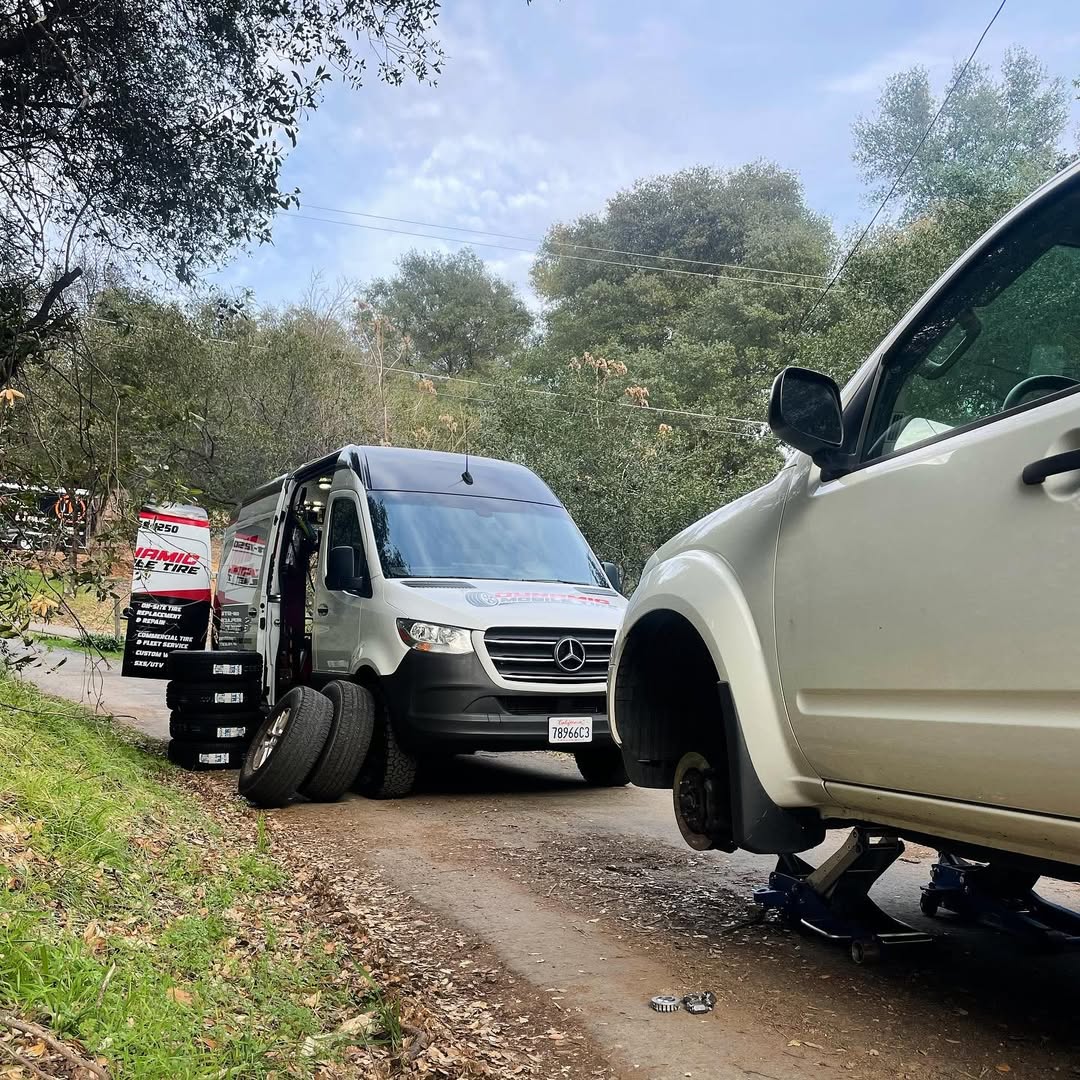
At Dynamic Mobile Tire, we help drivers protect their tires with mobile tire installation, balancing, and on-site service. And one thing we see often is this: drivers ignore early alignment symptoms until the tire wear gets much worse.
Do you need tire balancing or an alignment?
Sometimes you need one. Sometimes you need both.
Tire balancing corrects weight distribution in the wheel and tire assembly. Alignment adjusts the angles of the wheels so they meet the road correctly. These are different services, even though drivers often mix them up.
If you feel vibration, balancing may be part of the answer. But if the vehicle pulls, the steering wheel is off-center, or the tread wears unevenly, alignment is often the main issue.
So if you are asking is an alignment necessary or is wheel alignment needed, the answer is yes when the symptoms point in that direction.
Why is alignment important?
Because alignment affects more than comfort.
It affects tire life, handling, and overall driving stability. That is why people search why is alignment important, why tire alignment is important, and why is wheel alignment important.
The main benefits of wheel alignment include:
- More even tire wear
- Better steering feel
- Improved straight-line driving
- Less stress on suspension components
- Better value from your tires over time
Those are also some of the biggest benefits of tire alignment. If your alignment is off, even slightly, your tires can wear out faster than they should.
What are the most common wheel alignment symptoms?
The most common wheel alignment symptoms are easy to miss at first.
Here are some of the biggest signs you need an alignment:
Your vehicle pulls to one side
This is one of the clearest car alignment symptoms.
If the vehicle drifts left or right on a straight road, that can be one of the top signs of bad wheel alignment. Many drivers ask, how do i know if i need an alignment or how do you know if your alignment is off. A constant pull is one of the first things to notice.
The steering wheel is off-center
If you are driving straight but the steering wheel is not centered, that is another strong sign.
This is one of the most common front end alignment symptoms and one of the easiest ways to tell something is not right. If you are wondering how to tell if alignment is off or how can you tell if you need an alignment, start there.
The tires wear unevenly
Uneven tread wear is a major warning sign.
This includes inside edge wear, outside edge wear, and patterns linked to poor toe settings. Searches like tire wear and alignment, bad alignment tire wear, alignment wear, and toe wear on tires all point to the same concern: the tire is not meeting the road evenly.
If you notice one tire wearing much faster than the others, do not ignore it.
More than justtire replacement
From flat tire repair to balancing, TPMS diagnostics, and new tire installation, we bring the service to you.
Book a ServiceWhat does tire cupping look like?
Tire cupping looks like scalloped or dipped sections around the tread.
You may also hear it called cupping tire wear, scalloped tire wear, tire scallop, choppy tires, or choppy tire wear. If you are asking about cupping tires meaning or what does tire cupping look like, the answer is that the tread does not wear in a smooth, flat pattern. Instead, it develops high and low spots.
Common cupped tires symptoms include:
- A rougher ride
- More road noise
- A humming sound that gets worse with speed
- Visible uneven tread blocks
- Vibration or instability
In some cases, you may also notice tires cupping on inside, which can point to suspension or alignment issues. That is why uneven tire wear cupping should never be ignored.
What causes choppy tires or cupping?
There is not always one single cause.
Drivers often ask what causes choppy tires, what causes tire chop, cupping tire wear causes, or cupping of tires causes. In many cases, the issue is linked to worn suspension parts, poor alignment, unbalanced tires, or a mix of all three.
That is why a strange wear pattern should not be treated like a cosmetic problem. It usually points to something mechanical that needs attention.
Do you need an alignment after getting new tires?
Sometimes yes, and it is a smart question to ask.
Many drivers search alignment after new tires, new tires wheel alignment, tire alignment with new tires, or when you get new tires do they do an alignment.
The short answer is this: new tires do not automatically fix an alignment problem. If the old tires wore unevenly, the same issue can damage the new ones too.
People also ask:
- Does an alignment come with new tires?
- Is alignment included with new tires?
- Does tire installation include alignment?
Usually, alignment is a separate service. So if you are getting new tires, it is worth asking whether the vehicle also needs to be checked for alignment.
How do I know if I need a front end alignment?
If you notice pulling, an off-center steering wheel, or unusual front tire wear, it may be time.
Searches like do i need a front end alignment, signs you need a front end alignment, bad front end alignment symptoms, and signs of bad front end alignment all point to the same idea: the front end often shows the problem first.
If the steering feels wrong or the front tires are wearing strangely, do not wait too long.
What tire wear patterns should you not ignore?
Not all tire wear means the same thing.
For example, underinflated tire wear usually affects the edges more evenly. Wear in the center of tire can point to pressure issues in the opposite direction. But bad tread, inside edge wear, and irregular patterns can be stronger signs of alignment trouble.
If you are wondering what do bad tires look like, what does a bad tire look like, or looking for bad tire symptoms, pay attention to:
- Uneven tread depth
- Cupping or scalloping
- One-sided wear
- Excess noise
- Vibration
- Tires that look worn out too soon
These are all common signs of worn out tires and may also suggest the vehicle needs more than just a basic tire replacement.
When should you get an alignment?
You should get one when the symptoms start, not after the tires are already damaged.
If you are searching when should you get an alignment or when to get wheel alignment, a good answer is this: after hitting a pothole, after suspension work, when installing new tires if wear was uneven, or anytime the vehicle starts showing alignment symptoms.
Tires for allkinds of vehicles
From passenger cars to work trucks and trailers, we bring the right tire service to you.
Find the Right TiresThe bottom line
Many drivers ignore early warning signs because the car still feels drivable. But small symptoms can turn into expensive tire wear fast.
If you are noticing wheel alignment signs, signs you need tire alignment, or trying to figure out how to tell if you need a wheel alignment, do not wait for the tread to get worse. A rough ride, tire cupping, uneven wear, and steering issues are all signs worth checking.
And if you are getting new tires, remember this: alignment after new tires is often worth asking about, because a bad alignment can wear down a new set much sooner than expected.