Can I Drive on a Slow Leak? Understanding the Dangers and Solutions
No, you generally should not drive on a slow leak. Driving on a tire with a slow leak is highly ill-advised due to significant safety risks and the potential for severe, irreparable tire and wheel damage. Ignoring even a minor loss of tire pressure can lead to critical vehicle performance issues and costly repairs.
Even a seemingly minor drop in tire pressure can compromise your vehicle’s handling, increase braking distances, and drastically reduce fuel efficiency. Over time, it can also lead to excessive heat buildup within the tire, increasing the risk of a sudden and dangerous blowout. Addressing a slow leak promptly is crucial for both your safety and the longevity of your tires.
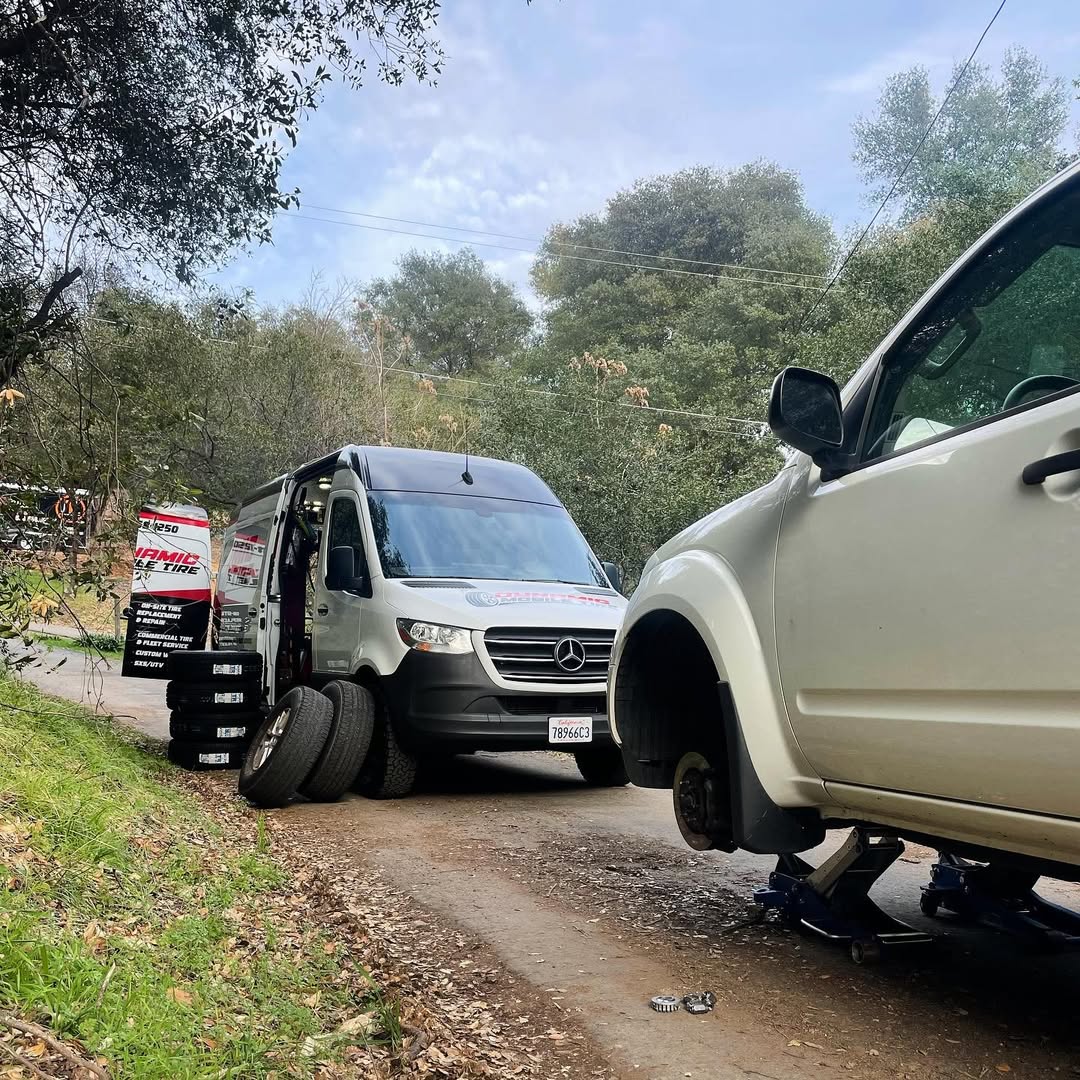
At Dynamic Mobile Tire, we specialize in providing convenient, professional mobile tire services, including expert puncture repair right at your location. We understand the concerns drivers have about tire issues, and this article will explain the dangers of slow leaks, how to identify them, and why professional intervention is always the safest course of action.
1. What is Considered a Slow Tire Leak?
A slow tire leak refers to a gradual loss of air pressure from a tire over an extended period, which can range from a few hours to several days or even weeks. Unlike a sudden flat tire, a slow leak often goes unnoticed until the tire pressure monitoring system (TPMS) light activates, or a visual inspection reveals a visibly underinflated tire. This subtle air loss makes slow leaks particularly insidious, as drivers might continue driving without realizing the underlying problem.
The key characteristic of a slow leak is its subtlety. The rate of air escaping is low enough that the tire may not appear completely flat for some time, leading many drivers to question, “can I drive with a slow leak tire?” However, any consistent loss of air pressure indicates a problem that requires immediate attention, regardless of how minor it seems.
2. Is a Slow Leak on a Tire Dangerous?
Yes, a slow leak on a tire is absolutely dangerous. While it might not seem as immediately critical as a sudden blowout, prolonged driving on an underinflated tire can lead to a cascade of serious safety hazards and mechanical issues. These dangers escalate the longer the issue is ignored.
The primary dangers include:
- Compromised Handling and Stability: Underinflated tires have reduced contact with the road, leading to diminished steering responsiveness and impaired cornering ability. This can make controlling your vehicle difficult, especially in emergency maneuvers.
- Increased Braking Distance: With less optimal road contact, the effectiveness of your brakes is reduced, resulting in longer stopping distances. This significantly increases the risk of collisions.
- Excessive Heat Buildup: As an underinflated tire flexes more, it generates excessive heat. This heat can degrade the tire’s internal structure, weaken its components, and ultimately lead to a catastrophic tire failure, such as a blowout.
- Tire and Wheel Damage: Driving on a consistently underinflated tire can cause irreversible damage to the tire’s sidewalls, tread, and internal belts. In severe cases, it can also damage the wheel rim, leading to more expensive repairs or replacements. The National Highway Traffic Safety Administration (NHTSA) regularly emphasizes the critical role of proper tire inflation in road safety, highlighting the dangers of driving on underinflated tires. You can find more information on tire safety guidelines at NHTSA.gov.
3. Common Causes of Slow Tire Leaks
Slow tire leaks can stem from various sources, some of which are more common than others. Identifying the cause is the first step toward effective repair.
Here are some frequent culprits:
- Punctures from Foreign Objects: Small nails, screws, glass shards, or other debris can embed themselves in the tire tread, creating a tiny hole through which air slowly escapes. Sometimes, these objects remain in place, acting as a partial plug that slows the air loss.
- Bead Leaks: A bead leak tire occurs when the seal between the tire and the wheel rim is compromised. This can happen due to corrosion on the rim, damage to the tire bead during installation, or simply accumulated dirt and debris preventing a tight seal.
- Faulty Valve Stem: The valve stem, which allows you to inflate the tire, can corrode, crack, or become loose over time. A damaged valve stem cap or a faulty valve core can also be a source of a slow leak.
- Cracked or Bent Wheel Rim: Damage to the wheel itself, such as a crack, a bend from hitting a pothole, or even minor corrosion, can prevent the tire from seating properly and lead to air leakage.
- Improper Tire Repair: Sometimes, a previously repaired puncture, if not done correctly, can fail and develop into a new slow leak. This highlights the importance of professional repair services.
4. Recognizing the Signs of a Slow Leak
Catching a slow leak early can prevent more significant problems and ensure your safety. While some signs are obvious, others require a bit more vigilance.
Look out for these indicators:
- TPMS Warning Light: Modern vehicles are equipped with a Tire Pressure Monitoring System (TPMS) that illuminates a warning light on your dashboard when tire pressure drops significantly. Do not ignore this light.
- Visible Low Tire: A tire that appears visibly flatter than the others, particularly after your vehicle has been parked for a while, is a clear sign of a leak.
- Vehicle Pulling: If your vehicle consistently pulls to one side while driving, especially at higher speeds, it could indicate that a tire on that side is significantly underinflated.
- Audible Hissing: In some cases, if the leak is large enough or you listen closely, you might hear a faint hissing sound coming from the tire, indicating air escaping.
- Frequent Need for Inflation: If you find yourself needing to add air to a specific tire more often than the others, it’s a strong sign of a slow leak that needs investigation.
5. Can I Drive on a Flat Tire? The Immediate Risks
Absolutely not, you cannot drive on a flat tire without causing severe and often irreversible damage. While this article focuses on slow leaks, it is crucial to understand the distinction and immediate dangers of a fully flat tire. Driving even a short distance on a flat tire can ruin the tire beyond repair and inflict significant damage on your wheel rim, brake components, and even suspension parts.
The damage caused by driving on a flat tire is immediate and extensive. The weight of the vehicle crushes the tire’s sidewalls, leading to internal structural failure. The bare rim can grind against the road, bending or cracking, and the lack of tire cushioning can transfer damaging forces directly to your car’s suspension and steering systems. This is why addressing any tire pressure issue, whether a slow leak or a full flat, promptly and professionally is non-negotiable for vehicle safety and maintenance.
6. Why Professional Tire Repair is Crucial
Attempting to fix a slow tire leak yourself without the proper tools or expertise can be dangerous and ineffective. Professional tire repair ensures the issue is correctly diagnosed and safely resolved, adhering to industry standards.
Here’s why professional service is vital:
- Expert Diagnosis: Professionals can accurately locate the source of the leak, whether it’s a simple puncture, a tricky bead leak tire, a faulty valve stem, or a damaged rim. They use specialized equipment to detect leaks that might be invisible to the naked eye.
- Proper Repair Techniques: Not all tire damage is repairable, and certain types of damage, particularly to the sidewall, render a tire unsafe. For repairable punctures, professionals use industry-approved methods, typically a patch-plug combination, which is safer and more durable than simple plugs inserted from the outside.
- Safety Adherence: Professional technicians understand the safety guidelines set by tire manufacturers and industry organizations, ensuring that repairs maintain the tire’s structural integrity and your vehicle’s safety standards.
- Preventing Future Issues: A properly repaired tire is less likely to leak again or fail prematurely, giving you peace of mind and extending the life of your tire.
How Can Dynamic Mobile Tire Help with Your Slow Leak?
When faced with a slow leak, you don’t have to stress about driving to a tire shop and waiting. Dynamic Mobile Tire brings expert tire service directly to your location, offering a convenient and efficient solution for your tire issues. Our mobile team is equipped to handle various tire problems, ensuring you get back on the road safely and quickly.
Our comprehensive mobile tire services for slow leaks include:
- On-Site Diagnosis and Repair: We come to you, quickly identify the cause of the slow leak, and perform professional, lasting repairs right where your vehicle is parked.
- Tire Replacement: If your tire is deemed irreparable due to severe damage or safety concerns, we can provide and install a new tire on the spot.
- Tire Pressure Checks and Inflation: We ensure all your tires are correctly inflated to manufacturer specifications, optimizing safety and performance.
- Expert Advice: Our technicians provide clear explanations and honest recommendations, empowering you to make informed decisions about your tire care.
For reliable and convenient assistance with a slow leak or any other tire concern, trust Dynamic Mobile Tire. Visit our website or call us today to learn more about our mobile tire repair service.
Prioritizing Tire Safety and Peace of Mind
Understanding the question, “can i drive on a slow leak?” is just the beginning. The answer is clear: prompt attention to any tire pressure loss is essential for your safety and to prevent further damage. Driving on a slow leak poses significant risks, including compromised handling, increased braking distances, and the potential for dangerous blowouts.
At Dynamic Mobile Tire, our mission is to provide professional, convenient, and reliable mobile tire services that prioritize your safety and peace of mind. We bring the expertise and equipment directly to you, making it easier than ever to address tire issues without disrupting your busy schedule.
Don’t let a slow leak turn into a major problem. If you suspect your tire has a leak or your TPMS light is on, contact Dynamic Mobile Tire today. Our team is ready to provide the efficient, on-site service you need to keep your vehicle running safely and smoothly.