Look at the sidewall of almost any tire and you will see a combination of numbers and letters such as P225/65R17 102H. If you are preparing to replace your tires, that code can look confusing at first.
So, what do tire sizes mean? The numbers and letters on a tire identify important specifications, including width, aspect ratio, construction, wheel diameter, load index, and speed rating. Understanding these markings can help you identify the tire specifications your vehicle needs before choosing replacement tires.
You do not need to become a tire expert. Learning what the main parts of the code mean is usually enough to make the information much easier to understand.
What Do Tire Size Numbers Mean?
Tire size numbers describe the tire’s dimensions and the wheel it is designed to fit. Additional markings provide information about its construction and performance specifications.
This information is usually printed directly on the tire sidewall. These markings help identify the specifications of the tire currently installed on your vehicle.
However, the existing tire size should not automatically be treated as the correct replacement specification. Wheels or tires may have been changed in the past, so it is important to check the vehicle manufacturer’s recommendations before buying new tires.
How to Read Tire Size Numbers
Let’s use the example:
P225/65R17 102H
Here is what each part means:
- P: Passenger tire designation
- 225: Nominal tire width in millimeters
- 65: Aspect ratio
- R: Radial construction
- 17: Wheel diameter in inches
- 102: Load index
- H: Speed rating
This is the basic way to read tire size information, although not every tire uses exactly the same format. Some tires may not include a P prefix, while light truck tires may use an LT designation in certain sizing systems.
What Does Each Number in Tire Size Mean?
The three main numerical measurements in P225/65R17 describe tire width, sidewall proportion, and wheel diameter.
Tire Width: 225
The first number, 225, represents the tire’s nominal section width in millimeters.
In simple terms, it indicates how wide the tire is from sidewall to sidewall. It does not represent the tire’s overall diameter.
Aspect Ratio: 65
The middle number, 65, is the tire aspect ratio.
The aspect ratio describes the sidewall height as a percentage of the tire’s section width. In this example, the sidewall height is nominally 65% of the 225 mm tire width.
The 65 is not a measurement in millimeters or inches. It is a percentage.
Wheel Diameter: 17
The final main number, 17, identifies the diameter of the wheel the tire is designed to fit, measured in inches.
This does not mean the entire tire is 17 inches in diameter. It refers specifically to the wheel diameter, sometimes called rim diameter.
What Do the Letters on Your Tire Mean?
Letters in tire size markings can identify the tire’s intended application, construction type, or performance specifications, depending on where they appear.
In our example, P225/65R17 102H:
- P indicates a passenger tire designation commonly used in P-metric sizing. Not every passenger tire includes this prefix.
- LT may appear on tires designed under certain light truck sizing systems.
- R means the tire uses radial construction, which is common on modern vehicles. The R does not mean radius.
The final letter, such as H, serves a different purpose. It identifies the tire’s speed rating.
What Do Tire Load Index and Speed Rating Mean?
The tire load index indicates rated carrying capacity, while the speed rating identifies standardized speed capability under specified conditions.
In P225/65R17 102H, the final numbers and letter provide this additional performance information.
The 102 is the tire’s load index. It is a standardized code that corresponds to a specific carrying capacity, not simply a direct weight measurement.
The H is the tire speed rating. It indicates a standardized speed capability under specified testing conditions, not a recommended driving speed.
Both specifications matter when choosing replacement tires. New tires should meet the requirements established for your vehicle rather than being selected by size alone.
Where Can You Find the Correct Tire Size for Your Car?
You can usually find your vehicle’s recommended tire size on the tire information placard near the driver’s door or in the owner’s manual.
The tire sidewall tells you the size currently installed, but that may not always be the manufacturer’s original specification. This matters if a previous owner changed the wheels or installed a different tire setup.
Some vehicles also use different tire sizes on the front and rear. Checking the tire information placard and owner’s manual can help confirm the appropriate specifications before replacement.
Can You Use a Different Tire Size on Your Vehicle?
Some vehicles may accommodate different tire sizes, but compatibility depends on manufacturer specifications, wheel dimensions, load requirements, clearance, and other factors.
Changing tire dimensions can affect fitment, handling, and vehicle systems. If you are considering a size that differs from the manufacturer’s recommendation, professional guidance is important.
This is especially useful if the tires currently installed do not appear to match the recommended specifications.
Why Tire Size Matters When Replacing Tires
Understanding tire size markings can help you make a more informed decision when it is time for replacement.
The correct tire needs to meet more than one requirement. Important factors include:
- Tire dimensions
- Wheel compatibility
- Load requirements
- Speed rating requirements
- Vehicle fitment
- Handling and performance needs
Choosing replacement tires with the correct specifications helps ensure they meet the vehicle’s dimensional and performance requirements.
That is why checking the full size code is more useful than simply looking at one number.
Mobile Tire Installation for Sacramento Drivers
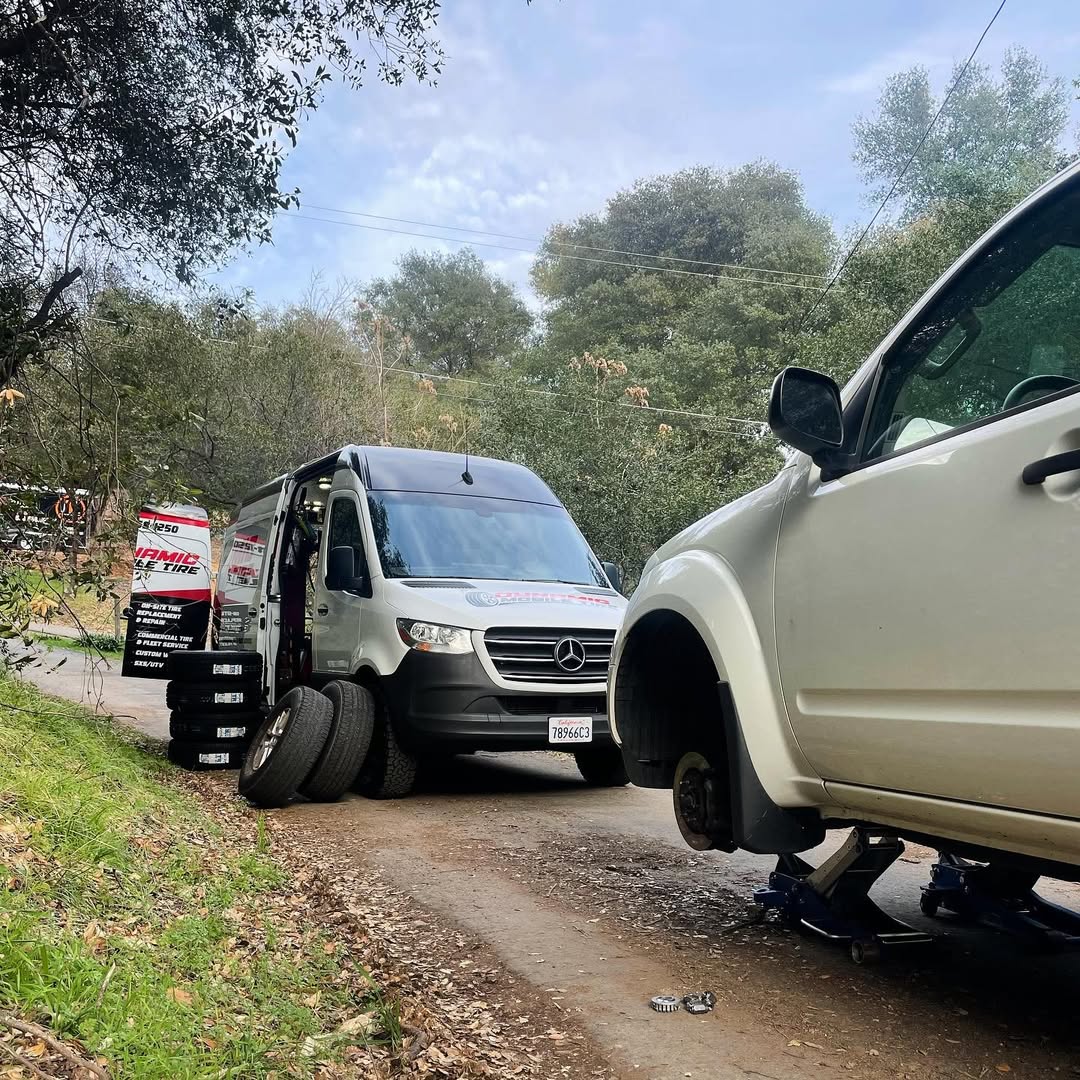
Once you know the appropriate tire specifications, Dynamic Mobile Tire can help with new tire installation at your location.
Our mobile tire service allows drivers to arrange tire service at home, work, or another suitable vehicle location. When applicable, professional tire balancing can also support a smooth ride after installation.
Dynamic Mobile Tire serves Sacramento and surrounding areas, helping drivers replace tires while keeping the correct vehicle specifications in mind.
Final Thoughts
Tire size numbers and letters may look confusing at first, but each part of the code provides useful information about the tire’s dimensions and specifications.
In a code such as P225/65R17 102H, you can identify tire width, aspect ratio, radial construction, wheel diameter, load index, and speed rating.
Before purchasing replacement tires, check the manufacturer’s recommended specifications rather than relying only on the tires currently installed.
If you are planning to replace your tires and want help with installation, Dynamic Mobile Tire provides new tire installation and mobile tire services throughout Sacramento and nearby communities.
Tire service made easy.
No shop visits. No long waits. Just reliable mobile tire service brought directly to you.