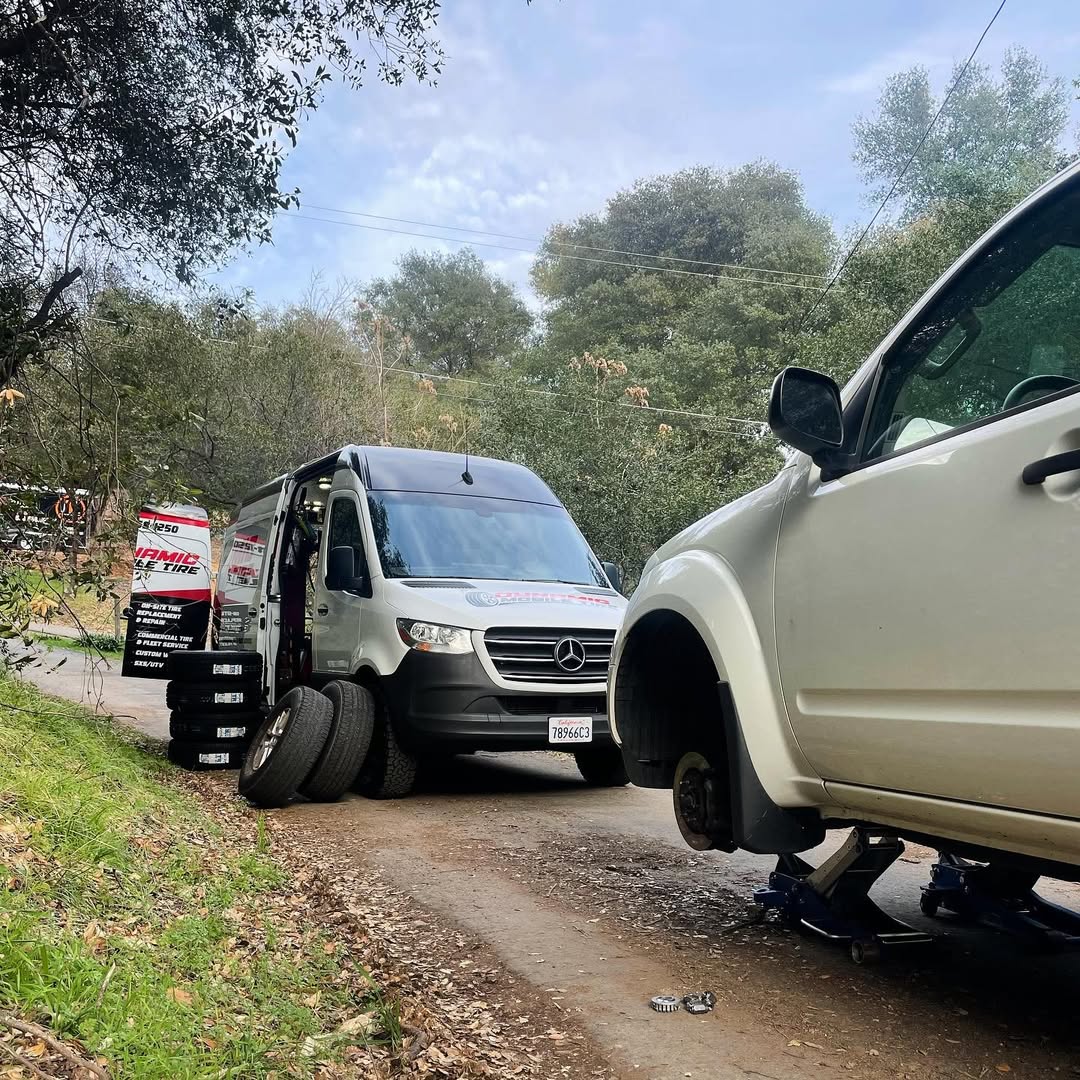
You can sometimes replace just one tire, but it depends on the condition of the other tires, tread depth, tire size, drivetrain, and vehicle manufacturer guidance. If the remaining tires are still in good condition and closely match the new tire, a single-tire replacement may be reasonable. In other situations, replacing two or four tires may provide a better match across the vehicle.
The important point is that there is no universal rule. The right answer depends on how well the new tire will work with the tires already on the vehicle.
Can You Replace Just One Tire?
Yes, you can sometimes replace just one tire. The decision depends on how much tread remains on the other tires, whether the replacement matches the required size and type, and whether the vehicle has specific tire-matching requirements.
If one relatively new tire is damaged beyond repair while the other three have very little wear, replacing only that tire may make sense.
However, putting one new tire with old tires that are significantly more worn can create a larger difference in traction, rolling behavior, and handling. That is why the entire set should be considered before deciding.
When Replacing One Tire May Be Okay
A single-tire replacement may be appropriate when:
- The other tires are still fairly new
- Tread depth is similar across the set
- The new tire matches the correct size and type
- Only one tire is damaged
- The vehicle does not require closely matched tires
- The remaining tires are still in good condition
A professional tire inspection can help determine whether replacing one tire is reasonable or whether the condition of the rest of the set changes the recommendation.
Before replacing a tire, it is also worth checking whether the original damage can be repaired. Some punctures may qualify for flat tire repair instead of replacement.
Why Tread Depth Difference Matters
Tread depth difference matters because one new tire with much more tread than the others may not behave the same as the older tires.
New tires have deeper tread and a slightly different rolling diameter than significantly worn tires. If the difference is large enough, the tires may not respond exactly the same way during acceleration, braking, or cornering.
This is especially important when considering mismatched tires or replacing one tire on certain AWD or 4WD vehicles.
Tread depth is not the only factor, though. Tire size, construction, condition, and manufacturer specifications also matter.
When Should You Replace Two Tires Instead of One?
Replacing two tires may be better when the tire on the same axle is also worn, when tread depths are noticeably different, or when replacing a pair will help the vehicle handle more consistently.
For example, if one tire is damaged but its paired tire is already significantly worn, replacing both may create a more closely matched pair.
If you are deciding whether to change two tires or four, the condition of the entire set still matters. Two new tires do not automatically solve a situation where the other two are also approaching replacement.
The correct placement of a new pair can also depend on the vehicle and tire setup, so professional guidance is useful when replacing two tires.
Do You Need to Replace All Four Tires?
You may need to replace all four tires if the full set is worn, the tires are mismatched, the vehicle requires closely matched tread depths, or manufacturer guidance recommends replacing the set together.
Replacing all four may make sense when every tire is approaching the end of its usable life. It can also be appropriate when one replacement tire would be dramatically different from the remaining tires.
That does not mean you have to replace all four tires every time one tire is damaged. The condition of the full set should determine the decision.
What About AWD or 4WD Vehicles?
It depends on your vehicle’s specifications, but AWD and 4WD vehicles are often more sensitive to tread depth differences because all four tires work together as part of the drivetrain.
Some manufacturers specify how closely the tires should match in size, tread depth, and overall circumference. A large difference between one new tire and three worn tires may affect the way the drivetrain operates.
This is why AWD tire replacement guidelines matter. Drivers should check the vehicle manufacturer’s recommendations and have the tires inspected before deciding to replace one tire on an AWD vehicle.
Not every AWD vehicle automatically requires four new tires. The acceptable difference varies by vehicle, which is why a universal rule is not appropriate.
Can You Use One New Tire With Old Tires?
Yes, you can use one new tire with older tires in some cases, but only if the remaining tires are close enough in condition, tread depth, size, and type to the replacement.
If the other tires still have substantial tread and the new tire matches the required size and type, one replacement may work. If the existing tires are much more worn, the difference can affect traction, handling, and overall tire performance.
This is why you cannot decide to replace only one tire just by looking at the damaged one. The whole set matters.
Does Tire Balancing Matter After Replacing One Tire?
Yes. Tire balancing is usually important after tire replacement because it helps the tire and wheel assembly roll smoothly.
After a new tire installation, proper tire balancing can help reduce vibration and support a smoother ride.
Balancing does not correct a major mismatch between tires, but it is an important part of properly installing a replacement tire.
How Tire Rotation Can Help Prevent Uneven Wear
Regular tire rotation can help tires wear more evenly across the vehicle.
More even wear may make future replacement decisions easier because one tire is less likely to have dramatically different tread depth from the others. Rotation cannot prevent every form of uneven wear, but it is an important part of routine tire maintenance.
If unusual wear continues even with regular rotation, the tires and vehicle may need additional inspection.
Can Mobile Tire Installation Replace One, Two, or Four Tires?
Yes. Mobile tire installation can often bring tire replacement directly to the vehicle when the location and service requirements allow it.
Whether you need one tire, a pair, or a full set, mobile tire service can make replacement easier at home, work, a fleet lot, or another suitable location.
The number of tires being installed does not change the need to make sure the new tires are appropriate for the vehicle and compatible with the remaining tires.
How Dynamic Mobile Tire Helps Sacramento Drivers
Dynamic Mobile Tire provides tire replacement, mobile tire installation, balancing, rotation, and repair support for drivers in Sacramento and surrounding areas.
If one tire is damaged, we can help determine whether repair may be possible or whether replacement is the better option. When replacement is needed, the condition and tread depth of the other tires should also be considered before deciding whether you need one, two, or four new tires.
For work vehicles, fleet tire service can also help businesses monitor tire condition and plan replacement more consistently.
Dynamic Mobile Tire serves Sacramento and surrounding areas, including Rancho Cordova, Folsom, Roseville, Citrus Heights, Carmichael, El Dorado Hills, and nearby communities.
Final Thoughts
Whether you should replace one tire, two tires, or all four depends on tread depth, tire condition, tire matching, drivetrain requirements, and vehicle manufacturer guidance.
If you are not sure whether single-tire replacement is enough, Dynamic Mobile Tire can help. Our team provides mobile tire installation, tire replacement, balancing, rotation, and mobile tire service throughout Sacramento and surrounding areas.
Stuck with a flat?We're on the way.
Fast mobile tire service when and where you need it most.
Request Service Now